Clinical Evaluation in Nursing Education Its Types, Criteria and Competencies
Clinical Evaluation in Nursing Education

What is Clinical Evaluation in Nursing Education Its Types, Criteria and Competencies. Clinical evaluation in nursing education involves assessing a student’s clinical skills, knowledge, and behaviors through various methods. It’s a process that helps determine if students are meeting predetermined competencies and standards, ensuring they are prepared for practice. Evaluation types range from formative (during … Read more

Ways of Knowing In Nursing Education by Carper

Nursing Education by Carper

The Ways of Knowing In Nursing Education by Carper. Barbara Carper’s “Ways of Knowing” framework, introduced in 1978, identifies four fundamental patterns of knowing that shape nursing practice: empirical, personal, ethical, and aesthetic. This framework recognizes that nursing knowledge goes beyond scientific knowledge and encompasses personal experiences, ethical considerations, and the art of nursing. What … Read more

Classification of Nursing Interventions and Outcomes

The Classification of Nursing Interventions and Outcomes. Nursing interventions can be classified into three main types: independent, dependent, and interdependent. 

The Classification of Nursing Interventions and Outcomes. Nursing interventions can be classified into three main types: independent, dependent, and interdependent. What Is Classification of Nursing Interventions and Outcomes (NIC) Independent interventions are initiated by nurses without requiring a doctor’s order, such as educating patients. Dependent interventions require a doctor’s order, like administering medication or inserting … Read more

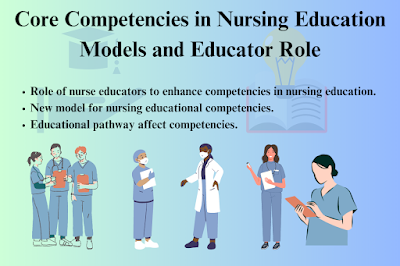
Core Competencies in Nursing Education Models and Educator Role

Core Competencies in Nursing Education Models and Educator Role

The Core Competencies in Nursing Education Models and Educator Role. Core competencies for nurse educators are essential for effective teaching and learning in nursing education. What are Core Competencies in Nursing Education Models and Educator Role These competencies encompass a broad range of skills and knowledge, including facilitating learning, developing learners, using assessment strategies, and … Read more

Core Competencies for Professionals In Nursing Education

Core Competencies for Professionals In Nursing Education

What are Core Competencies for Professionals In Nursing Education. Core competencies for nursing education professionals encompass the skills, knowledge, and behaviors needed to effectively educate and mentor future nurses. These competencies include facilitating learning, promoting learner development, utilizing assessment and evaluation strategies, participating in curriculum design, and engaging in continuous self-evaluation and improvement. They also … Read more

Master of Science in Nursing Education: Clinical Nurse Leader and Future

Master of Science in Nursing Education: Clinical Nurse Leader and Future

What Is Master of Science in Nursing Education: Clinical Nurse Leader and Future. The Master of Science in Nursing-Nursing Education track prepares nursing professionals for educator roles in patient care and institutions of higher education. Students develop instructional and leadership skills and can pursue broad or specialized nurse educator paths. Clinical Nurse Leader and Future … Read more

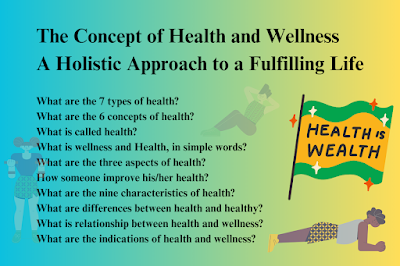
The Concept of Health and Wellness

Health and Wellness

The Concept of Health and Wellness. Health is defined as a state of complete physical, mental, and social well-being, while wellness is an active process of making choices to enhance overall well-being. Health focuses on the absence of disease, whereas wellness is about striving for optimal functioning and a fulfilling life. What Is Concept of … Read more

Enhance the Involvement of Care Taker of Patient

Involvement of Care Taker of Patient

The Enhance the Involvement of Care Taker of Patient. A major part of improving patient engagement is to meet them where they are and reach out to them using their preferred channels of communication. Each patient has a preferred channel of communication. The Enhance the Involvement of Care Taker of Patient In contemporary healthcare, the … Read more

Physical Restraints and Side Rails in Acute and Critical Care Settings

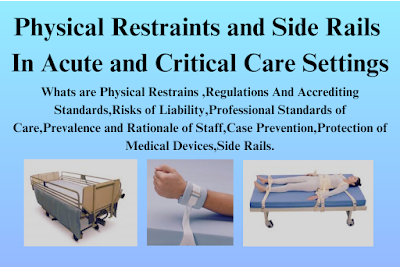
Physical Restraints and Side Rails in Acute and Critical Care Settings

The Physical Restraints and Side Rails in Acute and Critical Care Settings. In acute and critical care settings, both physical restraints and side rails are used to ensure patient safety, but with potential risks and ethical considerations. Physical restraints, like limb restraints, are used to maintain medical devices or prevent injury, but should be a last … Read more

Preventing Pressure Ulcers and Skin Tears

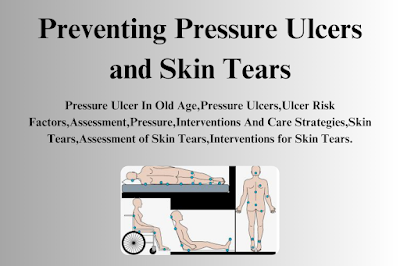
The Preventing Pressure Ulcers and Skin Tears. To prevent pressure ulcers and skin tears, prioritize regular position changes, proper skin care, and a healthy lifestyle.

The Preventing Pressure Ulcers and Skin Tears. To prevent pressure ulcers and skin tears, prioritize regular position changes, proper skin care, and a healthy lifestyle. This includes keeping skin clean and moisturized, maintaining good nutrition and hydration, and avoiding smoking. Additionally, consider using support surfaces and devices like mattresses and cushions to redistribute pressure. The … Read more